When people look up natural, organic, or biodynamic wine, it is rarely out of abstract curiosity. They want to know what they are drinking, how it was made, and whether it fits their values and lifestyle.
At Parés Baltà, we have worked with these approaches for many years, not as marketing labels, but as real day to day decisions in the vineyard and the cellar. That is why it is worth explaining them calmly, without oversimplifying or turning them into dogma.
The aim of this article is simple: to clarify the terms, highlight the real differences, and help you make informed choices when you pick a bottle.
Why are more people talking about organic, biodynamic, and natural wines?
For a long time, wine conversations focused on grape varieties, appellations, and scores. Today, more and more people start with a different question: how was this wine made, and who made it?
This shift is closely linked to a growing interest in health, environmental impact, and transparency in food and drink. It is also part of the reason we now see nutritional information and QR codes on many labels.
As with other foods, people want to understand what is behind the product, not just the final taste in the glass.
In wine, that has brought terms like organic, biodynamic, or no added sulphites into everyday conversation. They are often used as if they were the same thing, but they actually refer to different parts of the process. Some describe how the vines are farmed. Others describe what happens in the cellar.
And one important point: not everything that sounds “natural” or “eco” truly is. That is why it matters to understand what each term really means, what it guarantees, and where its limits are.
Why we think it matters to explain this from the winery
From inside a winery, these are not theoretical ideas. They are daily choices that affect how we care for the vines, how we harvest, what we use, and what we choose not to use in the cellar. They also shape what we want to offer the people who trust us.
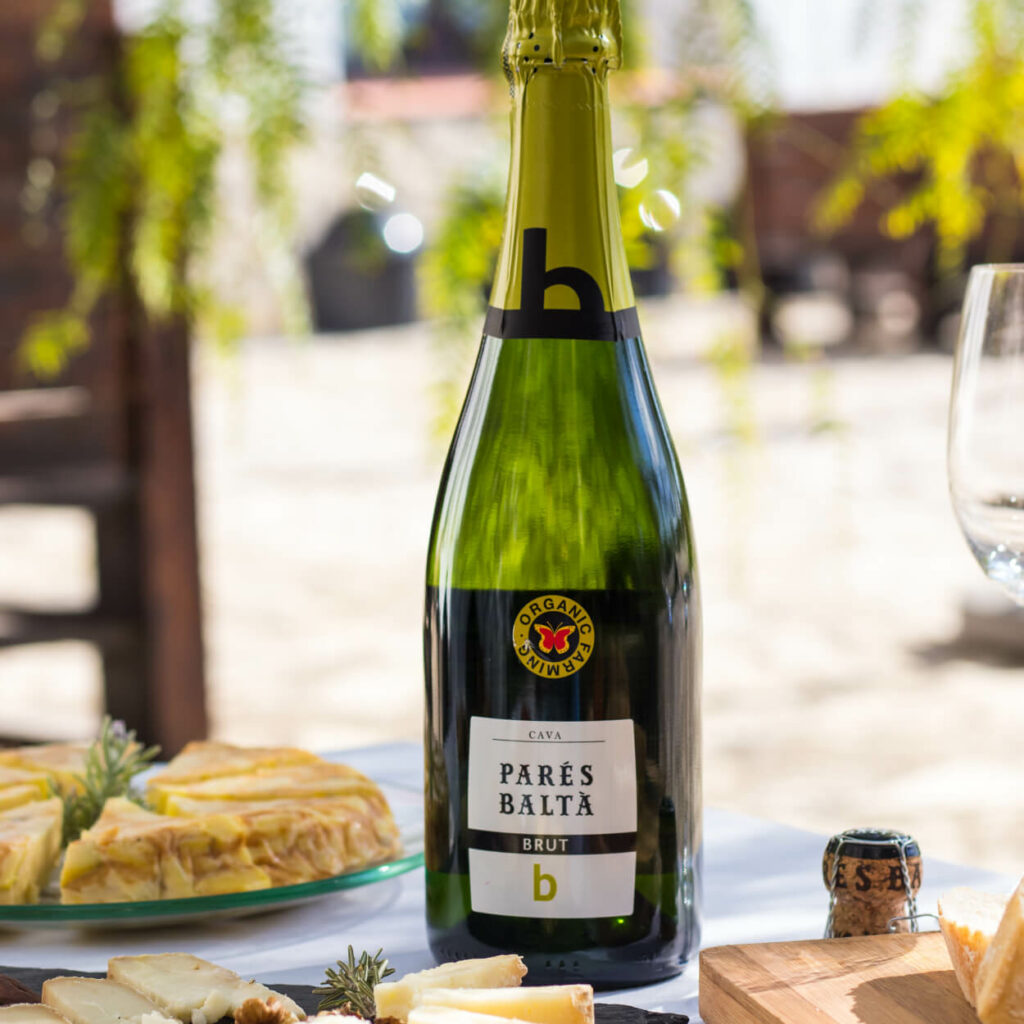
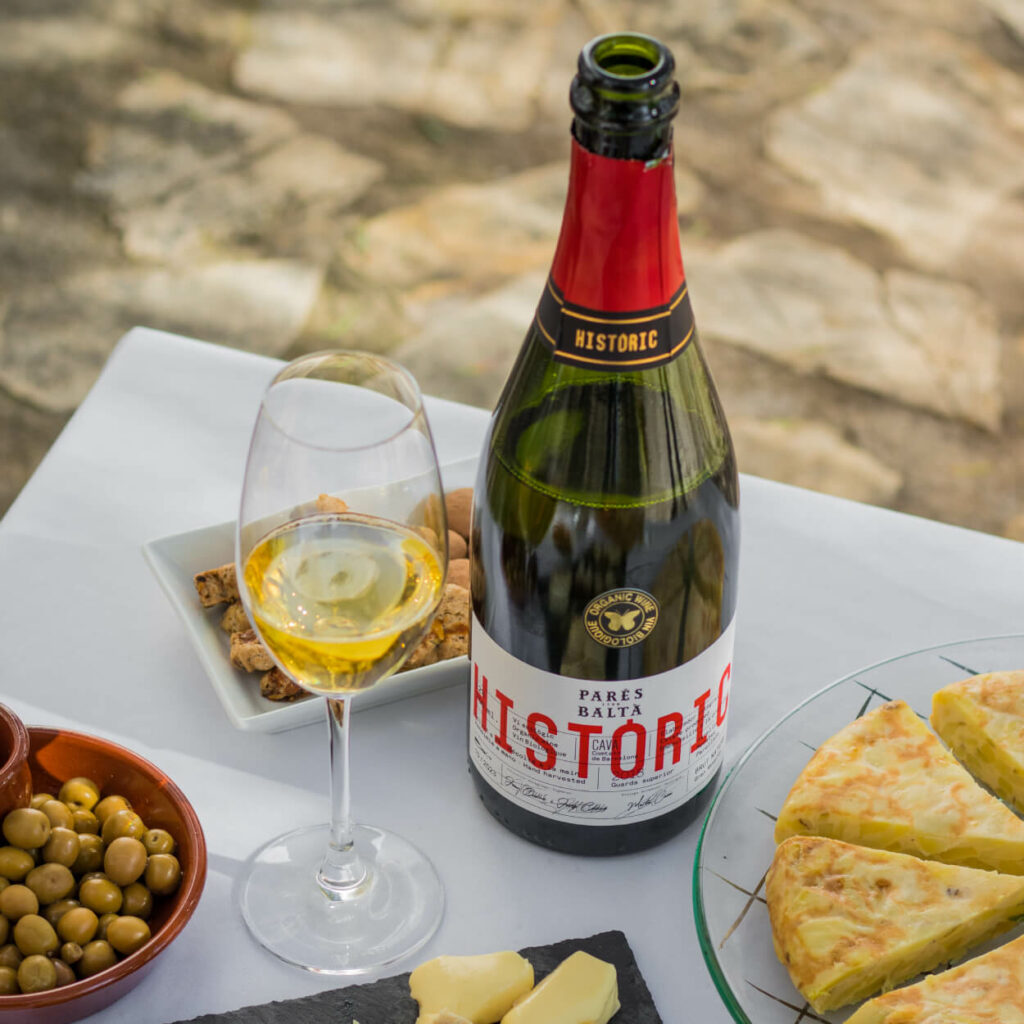
At Parés Baltà we do not see wine as an industrial product. We see it as a living food, deeply connected to place and to each vintage. That is why we farm organically and biodynamically, produce certified organic and biodynamic wines, make natural wines with no added sulphites, and all of our wines are vegan.
Not every wine has to follow the same path. But we do believe consumers deserve clear, honest information to decide what they want to drink.
So here is the goal: to explain, in a simple but precise way, what each term means and how they can coexist within one family project like ours.

What is organic wine?
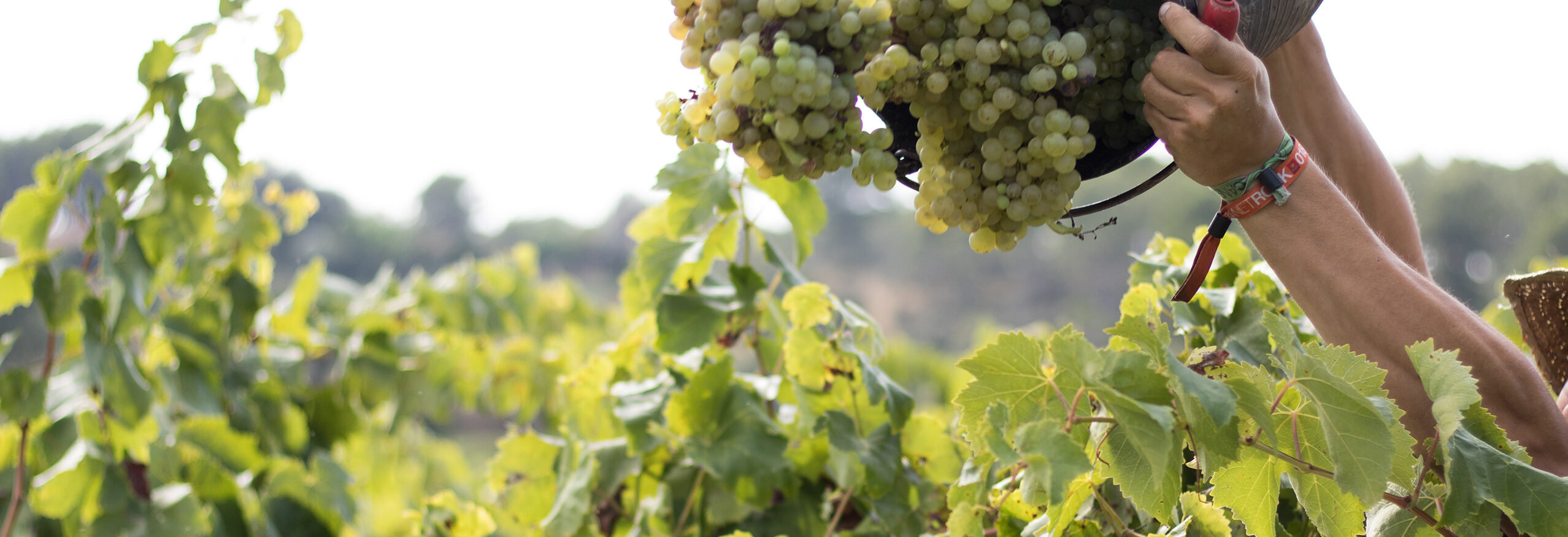
When we talk about organic wine, we are mainly talking about how the vineyard is farmed. Organic starts in the field, with the aim of growing healthy grapes without synthetic chemicals.
An organic wine is made from grapes grown according to certified organic standards. This means that throughout the growing season, synthetic herbicides, synthetic pesticides, and artificial chemical fertilisers are not used.
Instead, the focus is on practices that respect the soil, the vine, and the surrounding ecosystem, supporting the vineyard’s natural balance.
What does organic farming mean in practice?
Being organic is not just about “not spraying”. It is a different way of thinking about viticulture:
- building long term soil fertility
- accepting that every vintage is different
- observing closely and acting only when needed
- taking on more risk in exchange for consistency and integrity
In the vineyard, it usually means more manual work, more time in the field, and fewer quick fixes. But it also tends to produce more balanced fruit, which arrives at the cellar in better shape and allows for less intervention during winemaking.
What about the cellar for an organic wine?
Once the grapes arrive at the winery, there are also rules to follow, under the supervision of the CCPAE. Organic regulations:
- restrict the use of certain winemaking additives
- set maximum limits for added sulphites
- require traceability and regular controls
Compared to conventional, non certified wine, organic winemaking is more about guiding the wine than constantly correcting it. It is not “zero intervention”, but rather conscious, justified intervention.
Why certification matters
A key part of organic wine is that it is verified by independent, official bodies. Certification means what the label says is not just a claim. It is checked year after year.
At Parés Baltà, we committed to organic farming early. We have been certified organic since 2003, at a time when very few wineries had taken that step.
Organic farming is more common today, but for us it remains the essential foundation. Without organic viticulture, biodynamics makes little sense, and natural wine even less.
Is organic wine healthier?
It is a common question, and it deserves a careful answer. Organic wine:
- reduces exposure to synthetic chemical residues
- starts with healthier grapes
- aligns more naturally with a mindful approach to food and drink
This is not about miracle promises. It is about recognising that grape quality begins in the vineyard. Organic farming is a clear way to put the health of the soil, the vine, and ultimately people, at the centre.
What is biodynamic wine?
If organic farming is the baseline, biodynamics goes a step further. It does not replace organic. It builds on it. Biodynamics is based on the idea that a vineyard is not just vines in rows, but a living ecosystem connected to the soil, the climate, plants, animals, and the people who work there.
Biodynamics is practiced in the vineyard, with the goal of strengthening the vitality of both soil and plant, so the grapes reach harvest healthy, balanced, and full of energy and expression.
The vineyard as a living organism
Working biodynamically means observing a lot and intervening less, but with great precision. The aim is not to “fix” problems after they appear, but to prevent them through balance and attentive farming.
In practice, this tends to support:
- living soils rich in microbial life
- vines that are more resilient to disease and climate stress
- grapes with better balance, ripeness, and natural acidity
A living soil is not just a support system. It is the starting point for a wine’s character.
Biodynamic preparations and the lunar calendar
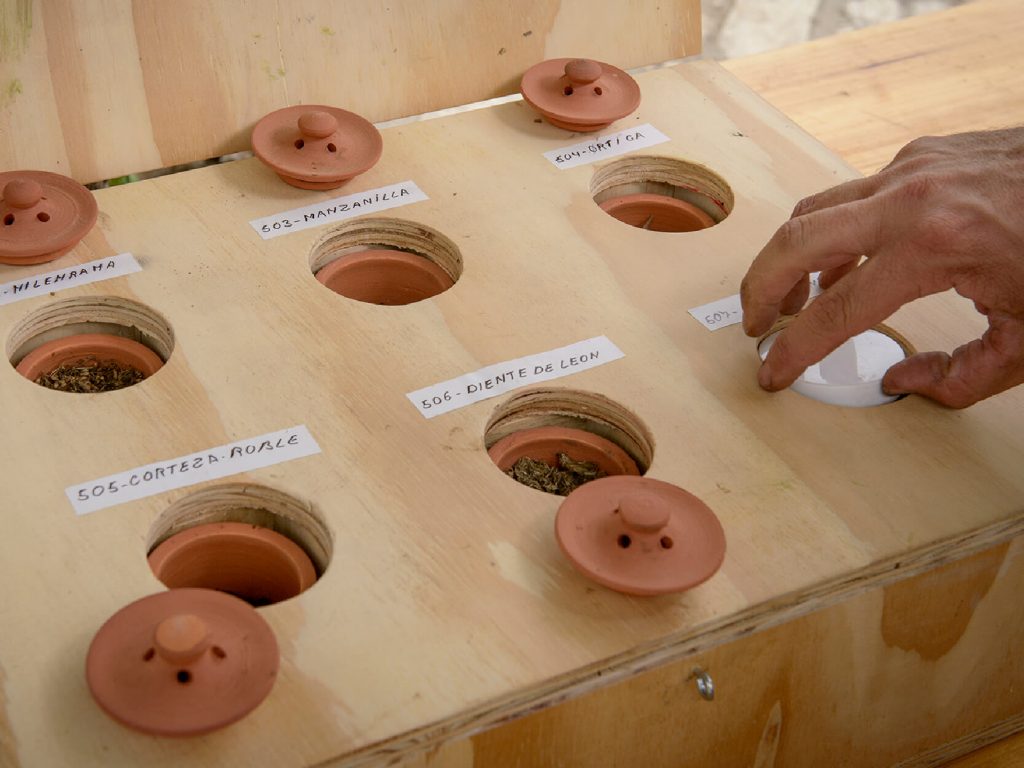
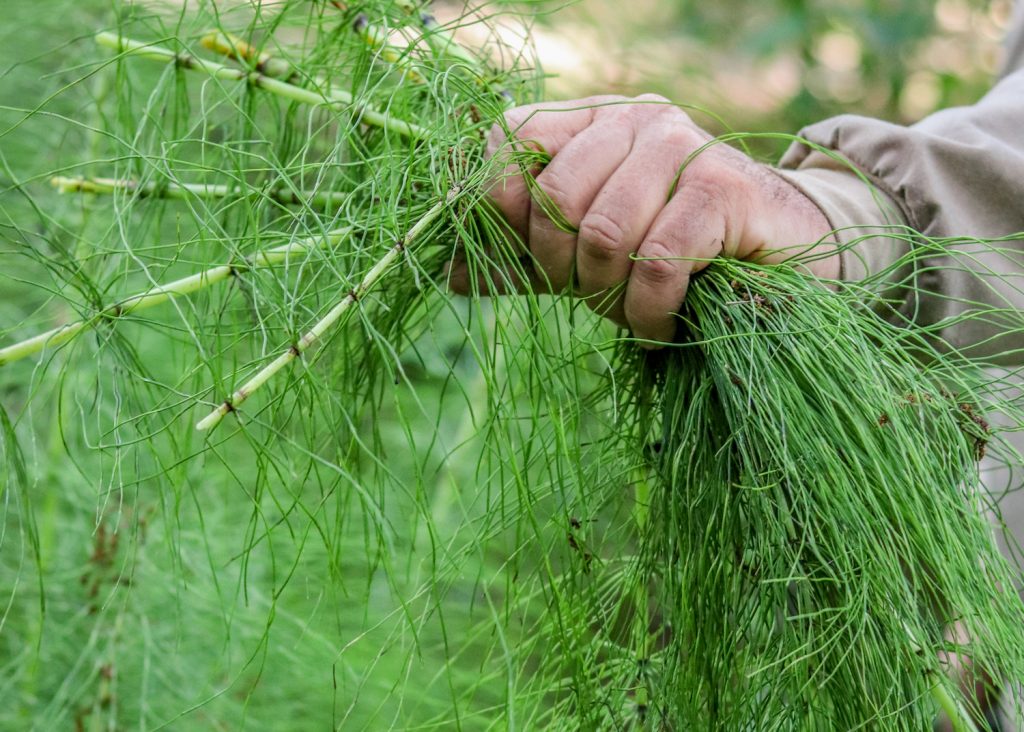
One of the best known parts of biodynamics is the use of natural preparations and working in rhythm with the lunar calendar. This often sparks curiosity, and sometimes scepticism. For us, it makes sense when it is understood as a way to encourage life in the soil and the vine, not as a set of magic recipes.
These preparations are used in very small doses, with goals such as:
- improving soil structure
- supporting microbial activity
- helping the vine express itself with greater balance
The lunar calendar also helps us plan our work and choose the best moments for tasks such as pruning, compost work, or planting new vines.
Biodynamic certification: consistency and rigour
As with organic farming, biodynamics can also be certified. In our case, we have been certified by Demeter since 2013, and we were among the early wineries to apply and certify this method consistently.
Demeter standards are demanding because they look beyond individual practices. They evaluate the overall coherence of the estate: how the vineyard is farmed, how the environment is cared for, and how closely the work follows natural rhythms.
How does biodynamics relate to natural wine?
Biodynamics does not require you to make natural wine, but it can make it possible. When grapes arrive at the cellar healthy, balanced, and vibrant, it becomes easier to:
- rely on spontaneous fermentations more safely
- reduce interventions
- produce wines with no added sulphites
In that sense, biodynamics is a natural ally of natural wine. It puts the focus where it matters most: doing the work in the vineyard, because that is where wine truly begins.
Why we chose biodynamics at Parés Baltà
We started biodynamic farming because we wanted to improve the long term health of our vineyards, achieve grapes with more expression and balance, and stay aligned with our goal of making wine that feels healthy and honest.
We do not see biodynamics as a dogma. We see it as a tool that helps us listen to the vineyard and make more thoughtful decisions, vintage after vintage.

What is natural wine?
Natural wine is probably the term that raises the most questions and causes the most confusion. There is no single legal definition and no official certification, which is why myths and mixed messages are common.
Put simply, natural wine is made with the least possible intervention in the cellar, so the wine can express the grapes, the place, and the vintage as directly as possible.
A useful nuance: in theory, a natural wine could be made from conventionally grown grapes. In practice, that rarely makes sense. If grapes are grown with herbicides, pesticides, or chemical fertilisers, it is much harder to vinify without corrections or interventions. That is why most natural wines come from organic or biodynamic vineyards, certified or not, where the fruit arrives healthy and balanced.
What defines natural wine in the cellar?
Natural winemaking is usually guided by a few core principles:
- fermentation with native yeasts
- no oenological additives
- no animal based fining agents and no synthetic processing aids
- no cosmetic “adjustments” to colour, aroma, or structure
- minimal intervention, only when truly necessary
And one key point:
Natural wine means no added sulphites.
Natural wines do not have sulphites added. They can, however, contain small amounts of naturally occurring sulphites produced during fermentation. A commonly referenced figure is up to around 10 mg/L produced naturally by yeasts. (Yeasts live on the grape skins, in the natural waxy layer often called the bloom).
In conventional winemaking, sulphites are widely used as a preservative. They protect the wine from oxidation and unwanted microbial activity. In natural wine, protection still matters, but it depends on careful, precise work in the cellar and excellent fruit.
Our path with natural wine at Parés Baltà
At Parés Baltà, we have been making natural wines with no added sulphites consistently since 2013.
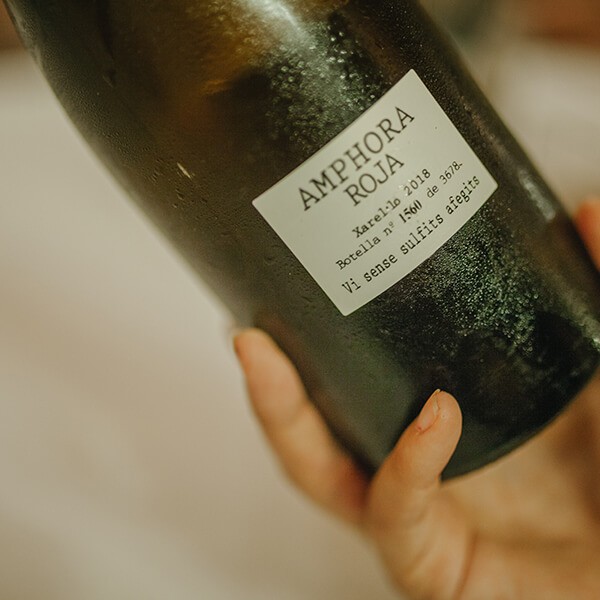
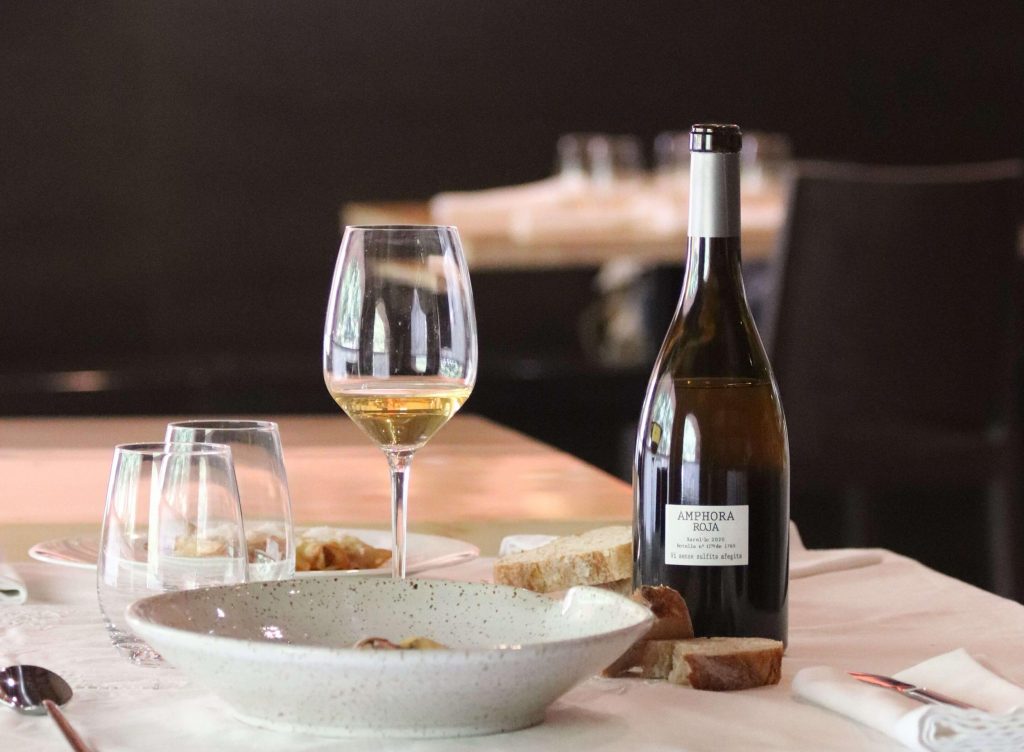
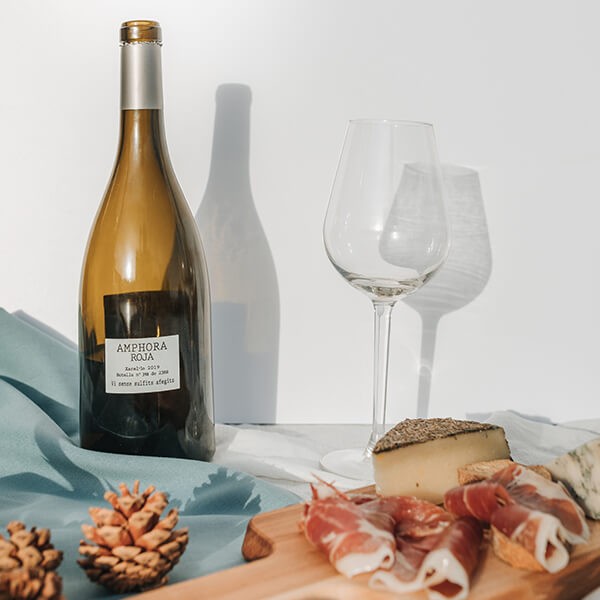
Our first natural wine was Amphora Roja. It marked a turning point in how we think about winemaking and it remains a key reference for us, where innovation and experimentation are part of the story.
Biodynamic farming has helped us achieve healthier, more balanced vineyards, living soils, and grapes with the energy and quality needed to make no added sulphites wines with confidence.
Why we make organic, biodynamic, natural, and vegan wines
Because we want to make wine that feels healthy for people, honest about its origin, and consistent with the way we farm.
Of course, not every wine needs to be natural. But we believe the option should exist, and it should be explained properly.
Which one is “better”?
This is one of the most common questions, and also one of the hardest to answer with a yes or no.
Rather than better or worse, we prefer to talk about coherence, transparency, and what fits the moment and the person drinking it.
A well made organic wine, a balanced biodynamic wine, or a carefully crafted natural wine can all be outstanding. What truly matters is not the label, but the way the wine is grown and made, and the respect shown to the grapes.
In the end, it is not about labels, but about how you work
After exploring organic, biodynamic, and natural wine, it can be tempting to create a ranking. But that is not the point. These terms do not compete. They describe different ways of guiding wine from the vineyard to the bottle.
For us, everything begins in the vineyard. Without healthy, balanced grapes grown with care, biodynamics makes little sense, and wines with no added sulphites even less. That is why at Parés Baltà, organic farming is the foundation, biodynamics is the tool to go further, and natural wine is a winemaking decision we take responsibly, year after year.
Not every wine, and not every person, is looking for the same thing. But clarity, honesty, and consistency should always be there. Knowing what is behind a bottle helps you enjoy it more and choose with confidence.
For us, making wine means listening to the vineyard, respecting time, and offering wines that are good, coherent, and made with people in mind.
The most important thing is to know the producer and how they work.
Is natural wine always organic or biodynamic?
Not necessarily. There is no legal definition, and in theory it could be made from conventionally farmed grapes. In practice, making natural wine without organic or biodynamic farming is difficult, because without healthy fruit it is hard to keep interventions low in the cellar.
Do natural wines contain sulphites?
Natural wines have no sulphites added. They may contain small naturally occurring levels produced during fermentation.
Is organic wine healthier?
Organic wine starts with grapes grown without synthetic chemicals, which reduces exposure to residues and aligns with a more mindful approach to food and drink. This is not about miracle claims. It is about recognising that healthier grapes are the basis for better wine.
Are all organic wines vegan?
No. Some organic wines use animal based fining agents. That is why it is always worth checking with the producer. At Parés Baltà, all our wines are vegan, as we do not use animal derived fining agents.